Migration as part of the solution for rural Spain, and for Europe
“Do you have any migrants for us?” What Europe can learn from rural Spain
)
Mayor Ángel Delgado is trying to attract migrants and help them integrate into his village of Monleras, with the support of the NGO Cepaim.
© Pieter Stockmans
Mayor Ángel Delgado is trying to attract migrants and help them integrate into his village of Monleras, with the support of the NGO Cepaim.
© Pieter Stockmans
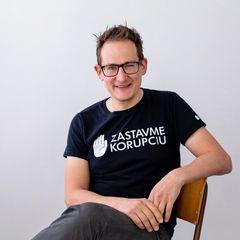
In rural Spain, migration has become so essential that mayors are calling NGOs to ask them to “find migrants” for their villages. MO* travelled to depopulating villages in the province of Salamanca, where migrants are trying to build new lives. Is their integration a microcosm of the broader challenge Europe is facing?
“Do you remember when you asked me whether we had any migrants for Huerta?” Javier Gonzáles Estevez laughs as he walks through the empty streets of this village of around 280 inhabitants in the southern part of Castile and León, chatting with Mayor José María Casado Fortín (PSOE).
Estevez works for the Spanish NGO Fundación Cepaim. Since 2002, the organisation has been helping rural Spain survive by supporting migrants as they build new lives there. Its Nuevos Senderos (“New Pathways”) project has received recognition from both the European Union and the United Nations.
Mayor Casado is concerned. Another Spanish family is about to leave the village.
“If just one more child leaves, we’ll have to merge all the pupils into a single class. And then even more families will move away,” he says.
Many Spanish villages have been losing population for years. Yet some mayors refuse to give up. Casado regularly asks Cepaim whether they know of migrants who would be willing to settle in Huerta.
At the same time, he is trying to make the village a more attractive place to live.
“Many migrants work in two large factories nearby,” he explains. “But they can’t live in our village because former residents who moved away refuse to sell or rent out their empty homes. That’s why we’re building social housing to attract new families.”


Paul and Brenda stand in the doorway of their home in Huerta. The municipality is building new social housing.
A Way Out
Paul and Brenda, a Peruvian couple with two children, are about to move into one of the new social housing units.
“We visited Huerta and, after just a few phone calls, we had both a home and a job at one of the factories,” Paul says.
The road to that point had been far from straightforward. When they arrived in Spain, they spent several weeks living on the streets of Madrid after, they say, being deceived by a criminal network. Without a permanent address, they scraped by through undeclared work.
“Paul worked on a construction site, and I looked after elderly people in their homes,” Brenda says. “It was difficult to suddenly find myself in that situation. Back in Lima, I had my own business. But I was also grateful, because at least we were able to pay the rent.”
In the end, relocating to the countryside through Nuevos Senderos offered them a way out.
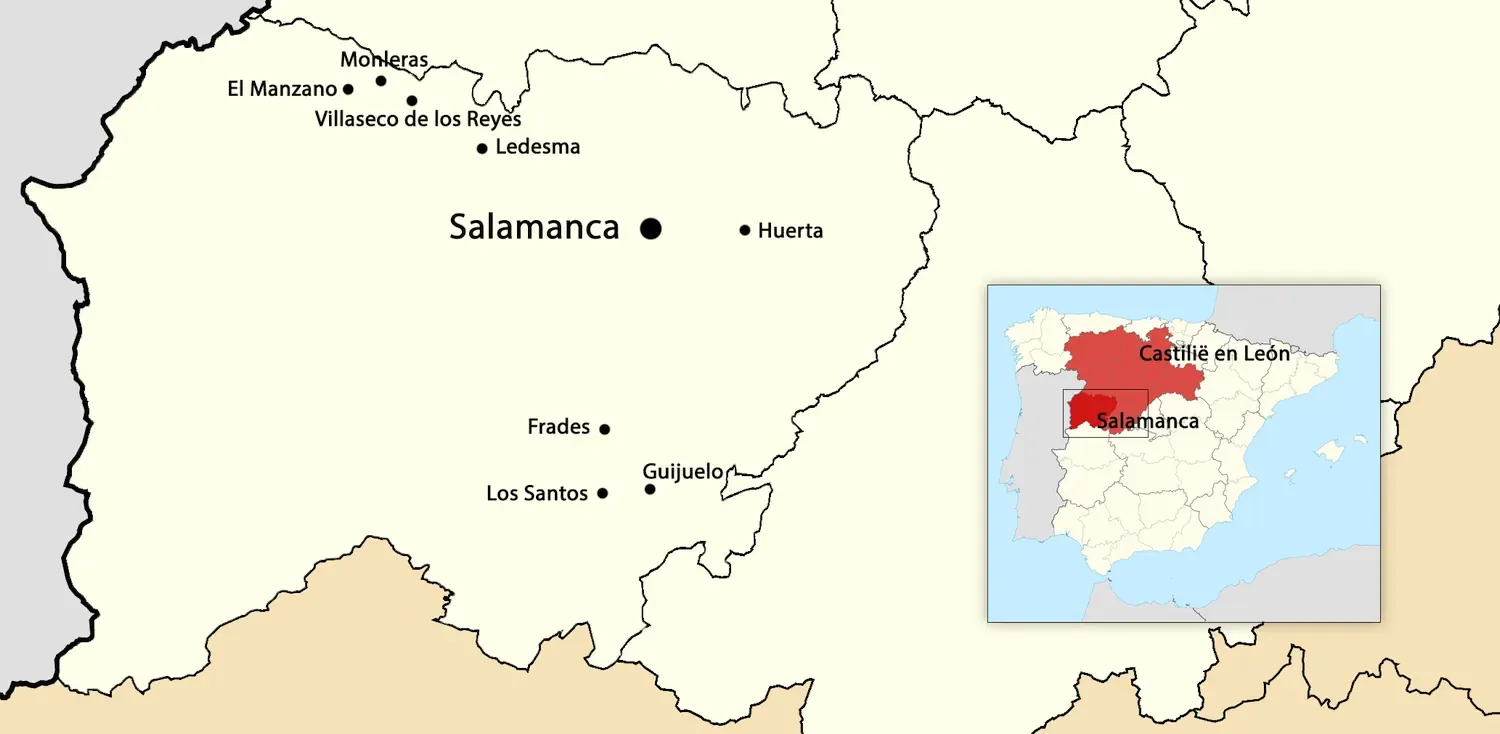
The villages in the province of Salamanca visited by MO*
Ángel Delgado, the mayor of Monleras, a village of around 200 inhabitants, is another regular caller to Cepaim. The departure of a Brazilian family recently caused concern in his municipality. The local school has just 18 pupils, around half of whom have a migration background. Without those children, it could be forced to close. And without a school, the village's future is at risk.
A Triple Win
“We don’t just look for migrants for villages; we also look for villages that are a good fit for the migrants,” says Rosa Martín, who worked for Cepaim for many years and still volunteers with the organisation. She knows the region inside out: where jobs can be found, what villages need, and what migrants are looking for as they build a new life.
“For a relocation to succeed, all the stars have to align: employment, housing, education, social connections and opportunities for the whole family,” she says. “That takes time, resources and a great deal of patience. If a society is not willing to invest in those things, successful integration becomes very difficult.”
In Monleras, that approach appears to be paying off. For years, Mayor Delgado has invested in the local economy and sustainable development.
One example is Terravita, an organisation that delivers produce from local farmers to elderly people across the region. Many of its drivers have a migration background. In that way, Terravita supports migrants, long-term residents and the local economy alike.
Edgar is one of those drivers. He previously worked for a Chinese oil company in Venezuela.
“The municipality of Monleras rented us a house at an affordable price and helped me obtain a Spanish driving licence quickly,” he says. “That allowed me to start working for Terravita and move to Monleras.”
According to Rosa Martín, this kind of support towards self-sufficiency is essential.
“It is an investment in long-term integration. Otherwise, both the migrants and the villages lose out.”
Edgar's arrival with his family has benefited Monleras in several ways. The village has gained new residents, their children are helping to keep the school open, and Edgar's wife, Yohalet, is also contributing through her work in elderly care. She is employed at the residential care home in the neighbouring hamlet of El Manzano, where Mayor María del Carmen Ruano Delgado is desperately trying to recruit staff.
“We only have 40 inhabitants, and that number includes the residents of the care home,” the mayor says. Yet she continues to fight for the future of her village. On the wall of her office hangs a sticker from a network of villages with fewer than 100 inhabitants, alongside a poem. One of its verses reads: “Everyone belongs to the place where they have been given to live.”
Edgar and Yohalet are now part of that place, even though they do not yet have official residency status.
“Even so, we received a warm welcome from the very beginning,” Yohalet says during a break at work. “Back in Venezuela, I was a law lecturer. But I understood that I had to adapt to the reality of life in Spain.”
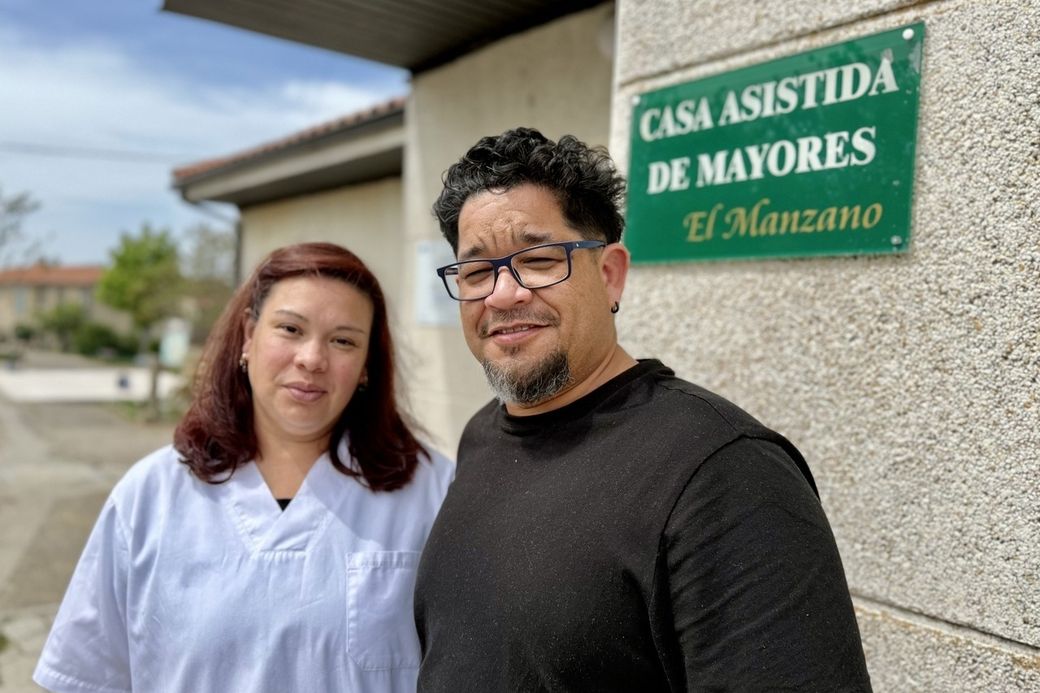
Yohalet and Edgar, from Venezuela, outside the nursing home in El Manzano, a hamlet with barely forty residents. Bottom photo: an aerial view of El Manzano (left) and Mayor María del Carmen Ruano Delgado (right).
© Pieter Stockmans


Home Care
Nearly three in four people working in home care for older people in Spain have a migration background, according to a labour market study by the Real Instituto Elcano. Most are women from Latin America. Many still lack legal residency, even though they play a crucial role in the daily life of countless Spanish villages.
“A great deal of care work is done off the books, which often leads to exploitation,” says Juan Jesús Delgado, Monleras' councillor for social affairs. “That's why we work with Cepaim to help people regularise their residency status.”
At the village's community centre, Cepaim organises information sessions for migrants. One of those attending is Dunia Izaguirre from Honduras. She hopes to regularise her status soon so that her daughter can join her in Spain. For now, she lives alone in Monleras, where she cares for the mother of a Spanish man she met in Madrid.
“What shocked me most was the lack of public transport,” she says. “You're literally stuck. Everything is so quiet. There's nothing but countryside. But the woman I care for turned out to be incredibly kind. She loves knitting. One day, she even made a woollen cardigan for my daughter back in Honduras.”
Nearly three in four people working in home care for older people in Spain have a migration background.
Not everyone has had a positive experience. Maria Ibargüen, from Colombia, worked as a home care worker in another village.
“The daughter of the man I cared for treated me in a racist way,” she says. “She constantly hurled insults at me. It became so bad that I needed psychological support.”
She later found work at the residential care home in Monleras, where, she says, she was welcomed and treated with respect.
Sonia García of Asprodes, an association organising better elderly care in the Salamanca region, points to another challenge: once migrants obtain a residence permit, they do not always remain in the care sector.
According to García, better working conditions are essential if more people are to choose care work.
“We can barely find Spanish workers, and many migrants only take these jobs because they have few alternatives. There simply aren't enough carers, which means they work long hours caring for very vulnerable elderly people.”


Left: Dunia Izaguirre from Honduras. Right: Rosa Martín, a volunteer with Cepaim, together with María Ibargüen from Colombia.
Building an Independent Life
Liliana Montaña Rangel, from Colombia, found work at the residential care home in Villaseco de los Reyes, less than five kilometres from Monleras. With Cepaim's support, her family initially rented a house in Ledesma, a larger municipality nearby. To persuade Liliana to stay, the director of the care home later offered the family affordable housing in Villaseco itself.
The family has now spent four years in Spain's asylum system.
“Perhaps asylum isn't the right procedure for them. Regularisation through employment seems a better solution,” says Rosa Martín.
Over a Colombian dinner, Liliana describes how their new life began.
“Through volunteer work with the Red Cross, we came into contact with Cepaim. That's how I was able to take their training programme for migrants who want to live and work in rural areas.”
Her husband, Julián Montaña Rangel, is currently training as an electrician in Salamanca. To make that possible, the municipality temporarily helped the family cover the cost of renting a car, allowing him to travel while gradually building an independent life.
TikTok
The regional government of Castile and León also organises training courses in rural villages to recruit staff for elderly care. The courses are open only to local residents. Graduates are guaranteed a job, and they begin accruing pension rights while still in training.
Erick Ramos, from Honduras, is enrolled in one of these courses in Los Santos, a village at the foot of the mountains south of Salamanca. Back in Honduras, he worked as a laboratory technician in hospitals.
“There are jobs for laboratory technicians in Madrid, but rents there are simply too expensive,” he says after class. “One day I came across a TikTok video about Cepaim's Nuevos Senderos programme, and the rest is history.”
“I don't like living in a village. There are only three young people here.”
By now, he feels at home in Los Santos. The whole family is gathered in the living room. Before hurrying off to begin her shift at the residential care home, Ramos' wife offers one last bowl of snacks.
Their teenage son Samuel is less enthusiastic.
“I don't like living in a village,” he says. “There are only three young people here.”
His father jokes that they will have reached the ultimate stage of integration if they, too, one day move to the city for the sake of their children's future.
“That's what many Spanish families have done.”
Ramos is determined to make life in Los Santos work. After all, he has come a long way to get there.
For a time, he worked in a slaughterhouse in Guijuelo, where up to 8,000 pigs are processed every day during the slaughtering season to produce the region's famous Iberian ham.
“Workers are exploited through weekly contracts. If you fall ill, they can replace you just like that,” he says. “The animals are treated like products, and the workers are treated like animals.”
“Migrants should not have to accept just any job simply because they are migrants,” says Rosa Martín. “They are entitled to decent work and respect, just like everyone else.”
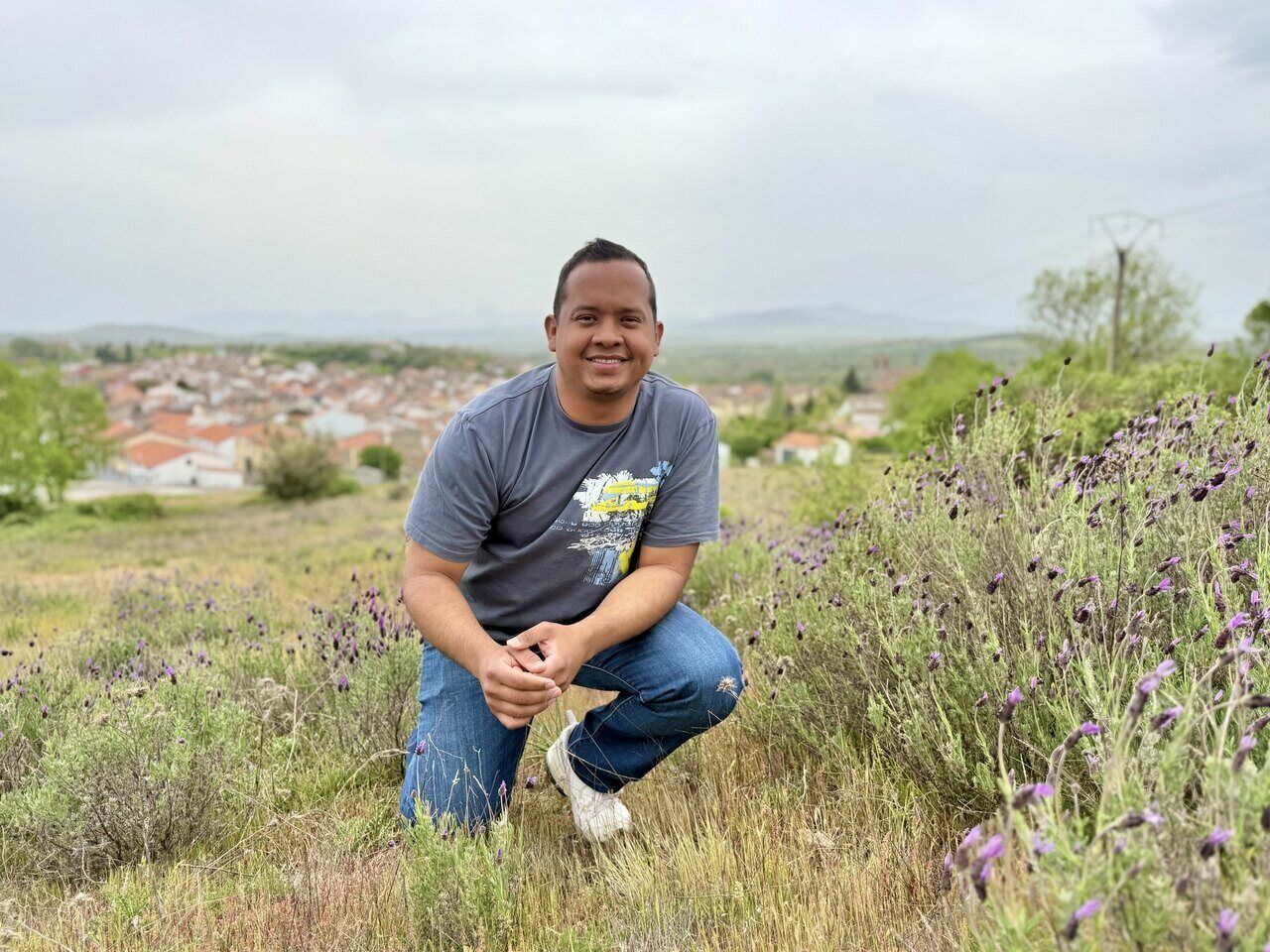

Erick Ramos from Honduras (left) is training to work at the nursing home in Los Santos.
Ramos was fortunate to reach Spain safely. For many African migrants, the journey is very different. They arrive through dangerous, irregular routes, often with the help of smugglers who exploit them. Once in Spain, however, they find themselves badly needed by the country's industries.
Take Youssoufa, from The Gambia. He is the only African man living in Frades, a small mountain village 20 kilometres from Guijuelo. Exhausted, he returns home after a long day at the meat-processing plant.
Home is a dilapidated house without hot water. A single light bulb hangs from a loose wire attached to the ceiling. His employer deducts the rent directly from his wages.
Cepaim initially helped him find decent work as a beekeeper in the mountains. But through an acquaintance in Guijuelo, he ended up at the meat-processing plant, where he now works in conditions that bear the hallmarks of exploitation.
“I pay my sisters' school fees in The Gambia,” he says. “If I stop sending money, they won't be able to stay in school.”
Lessons from Rural Spain
“Migration to rural areas has slowed depopulation, but it has not stopped it,” says migration expert Carmen González Enríquez of the Real Instituto Elcano (see also our interview with her in Dutch).
Even so, Cepaim believes many more success stories would be possible with greater resources.
“Integration works well when local authorities are fully committed,” says Javier González Estevez. “But ongoing support is just as crucial. We don't simply drop families off in a village and leave them there. We continue to guide them. Our goal is to improve the quality of life of both migrants and the people living in the communities that receive them.”
At the same time, Cepaim president Sali Guntín points to the broader political context. The far right is gaining ground, she says, with potential consequences for both the organisation's funding and Spain's migration policies.
Migration works best when migrants' skills and profiles are closely aligned with labour market needs.
According to the Belgian think tank Minerva, this political trend sits uneasily with economic and demographic reality.
“In ageing economies, migration is not an optional policy choice but a structural necessity,” the think tank argued in a recent report.
Mayor José María Casado sees the growing influence of what he calls “Trumpism” in Huerta as well.
“I often hear people say, ‘Spaniards first.’ Even here, where there are hardly any Spaniards left to do the jobs. But when people really get to know the migrants, they see the essential contribution they make. To me, ‘Spain first’ means attracting migrants rather than keeping them out.”
Rural Spain shows that migration works best when labour market needs are closely matched with migrants' skills and profiles. Migration has the potential to help address depopulation, labour shortages and population ageing. But that potential can only be realised through investment in faster labour market integration, guidance and support, housing, mobility, social acceptance and active labour market matching.
Integration, moreover, is a two-way process. Receiving communities must also invest in inclusion. That requires a constructive approach from governments and employers, as well as active efforts to combat undeclared work, racism and exploitation.
Dissident Spanje?
Spanje wordt vaak gezien als een afwijkende stem binnen Europa. Het land van premier Pedro Sánchez voert een milder migratiebeleid en spreekt zich regelmatig uit over mensenrechten, vrede en internationaal recht. Tegelijk bevindt Spanje zich intern in een evenwichtsoefening: de opmars van extreemrechts, regionale spanningen en de druk van Europese afspraken. In dit dossier onderzoekt MO* of de Spaanse koers echt zo sterk afwijkt van die van de rest van Europa.